“Master the Art of Building Modern Websites and Shape the Digital Future.”
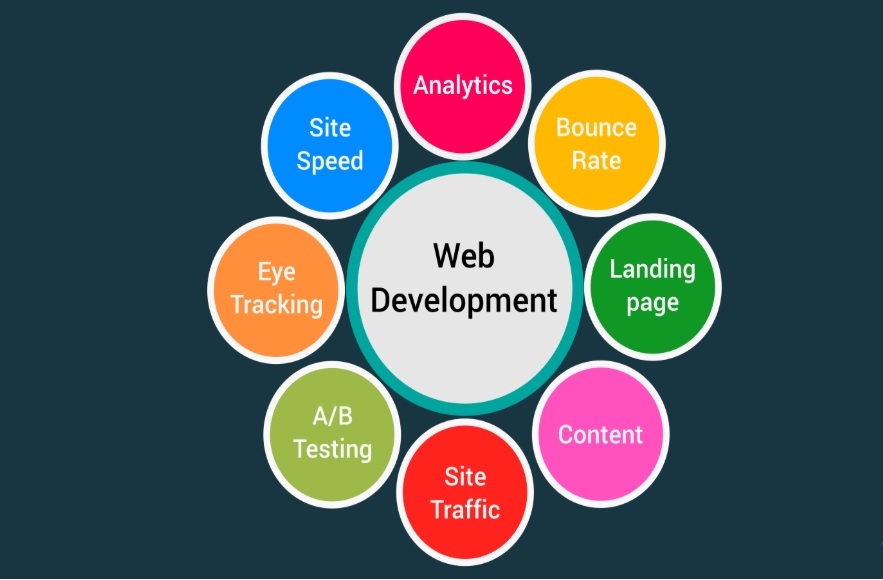
Web development is the process of creating, building, and maintaining websites and web applications that run on the internet. It combines various technologies, programming languages, and tools to create functional, interactive, and user-friendly websites.
In today’s digital world, websites play a crucial role in communication, business, education, entertainment, and e-commerce. Web development ensures that websites are visually appealing, responsive, secure, and efficient for users across different devices.
Common technologies used in web development include HTML, CSS, JavaScript, PHP, Python, React, Node.js, and various database management systems.
As businesses and organizations continue to expand their online presence, the demand for skilled web developers continues to grow. Learning web development opens the door to numerous career opportunities and enables individuals to create innovative digital solutions.

In today’s digital world, web development has become one of the most valuable and in-demand skills. Whether you’re a complete beginner or someone looking to enhance your technical expertise, web development opens the door to endless opportunities. From creating simple web pages to building powerful web applications, every great developer starts with a single line of code. This guide will take you through the essential concepts, tools, and technologies needed to transform from a beginner into a digital hero.
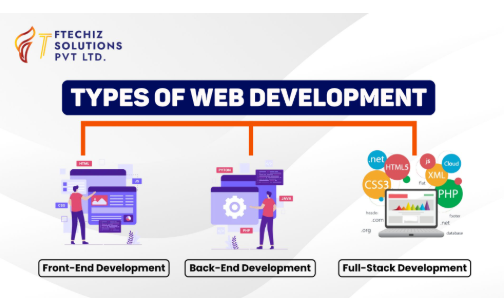
Web development is generally divided into three main categories:
- Frontend Development – Focuses on the visual elements of a website that users interact with directly.
- Backend Development – Handles server-side operations, databases, and application logic.
- Full-Stack Development – Combines both frontend and backend development skills.
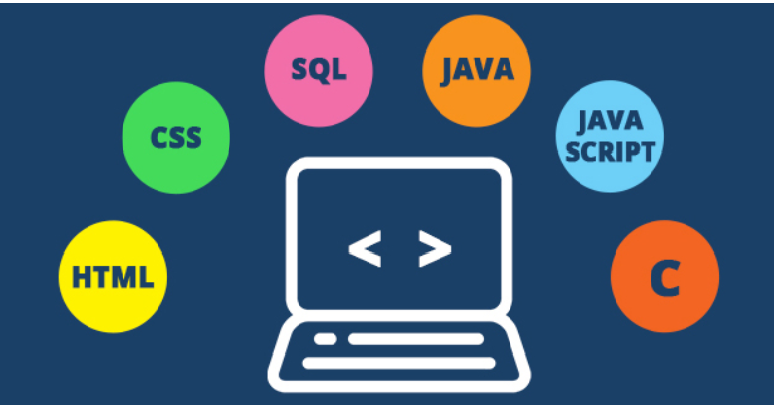
Languages Used in Web Development
Web development relies on various programming and markup languages to create websites and web applications. Each language serves a specific purpose in the development process.
1. HTML (HyperText Markup Language)
HTML is the foundation of every website. It is used to create the structure and content of web pages, such as headings, paragraphs, images, links, and forms.
2. CSS (Cascading Style Sheets)
CSS is used to style and design web pages. It controls colors, fonts, layouts, spacing, and responsiveness, making websites visually appealing.
3. JavaScript
JavaScript adds interactivity and dynamic features to websites. It enables functions such as animations, form validation, sliders, and real-time updates.
4. PHP
PHP is a server-side scripting language commonly used for developing dynamic websites and web applications. It helps manage databases and user interactions.
5. Python
Python is a powerful and easy-to-learn programming language used in web development frameworks such as Django and Flask. It is known for its simplicity and efficiency.
6. SQL (Structured Query Language)
SQL is used to manage and interact with databases. It helps store, retrieve, update, and delete website data efficiently.
These languages work together to create modern, responsive, and user-friendly websites that meet the needs of businesses and users.
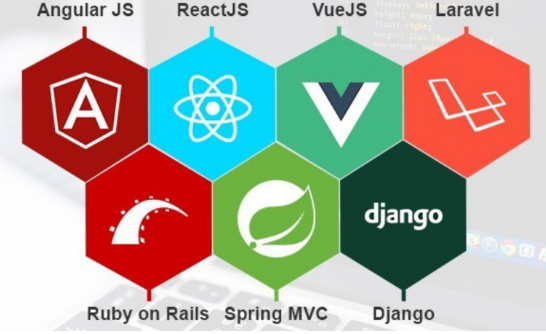
Popular Frameworks in Web Development
Frameworks are pre-built collections of tools, libraries, and guidelines that help developers build websites and web applications more efficiently. They reduce development time and simplify complex tasks.
1. Global Reach
A website allows businesses to reach customers worldwide, expanding their market beyond geographical boundaries.
2. 24/7 Availability
Unlike physical stores, websites are accessible at any time, enabling customers to access information, products, and services whenever they need them.
3. Improved Business Growth
A professional website helps attract potential customers, increase sales, and strengthen brand recognition.
4. Better Customer Engagement
Websites provide various ways for customers to interact with businesses through contact forms, live chat, feedback systems, and social media integration.
5. Cost-Effective Marketing
Digital marketing strategies such as SEO, content marketing, and online advertising can be integrated into websites, reducing marketing costs and increasing effectiveness.
6. Enhanced Credibility
A well-designed and informative website builds trust and credibility among customers, making a business appear more professional.
7. Career Opportunities
Web development is a rapidly growing field that offers numerous career opportunities, including Frontend Developer, Backend Developer, Full-Stack Developer, and Web Designer.
8. Easy Information Sharing
Websites make it easy to share information, updates, announcements, and educational content with a large audience.
In conclusion, web development plays a vital role in today’s digital world by helping businesses grow, improving customer engagement, and creating valuable career opportunities.
1. Frontend Developer
Frontend Developers create the visual and interactive parts of a website that users see and use. They mainly work with HTML, CSS, JavaScript, and frameworks like React and Angular.
2. Backend Developer
Backend Developers manage the server, database, and application logic of a website. They commonly use languages such as PHP, Python, Java, and Node.js.
3. Full-Stack Developer
Full-Stack Developers work on both frontend and backend development. They have a broad understanding of web technologies and can build complete web applications.
4. Web Designer
Web Designers focus on the appearance, layout, and user experience of websites. They use design tools and web technologies to create attractive and user-friendly interfaces.
5. UI/UX Designer
UI/UX Designers improve the user interface and overall user experience of websites and applications, ensuring they are easy to use and visually appealing.
6. WordPress Developer
WordPress Developers build and customize websites using the WordPress platform, themes, and plugins.
7. Web Application Developer
Web Application Developers create advanced web-based applications such as online shopping systems, management software, and social networking platforms.
8. Freelance Web Developer
Freelance Web Developers work independently and provide website development services to clients worldwide, offering flexibility and income opportunities.
9. Software Engineer
Many web developers also pursue careers as Software Engineers, developing large-scale software systems and web applications.
10. Technical Consultant
Technical Consultants advise businesses on web technologies, website improvements, security, and digital transformation strategies.
In conclusion, web development offers diverse career paths with excellent growth potential, competitive salaries, and opportunities to work in various industries worldwide.
As technology continues to evolve, web development will remain a valuable and in-demand skill, making it an excellent field for learning, innovation, and professional growth.