Artificial Intelligence: The New Era of Technology
Artificial Intelligence (AI) is one of the most powerful and advanced technologies in the modern world. It is changing the way people live, work, learn, and communicate. AI refers to computer systems and machines that can perform tasks which normally require human intelligence, such as thinking, learning, problem-solving, decision-making, understanding language, and recognizing images or voices.
Today, Artificial Intelligence is becoming an important part of daily life. People use AI in smartphones, social media apps, online shopping, navigation systems, voice assistants, and many other digital services. Popular technologies like chatbots, virtual assistants, facial recognition, and recommendation systems are all examples of AI. Companies around the world are using AI to improve customer service, increase productivity, and make smarter business decisions.
AI is also transforming industries such as healthcare, education, banking, transportation, agriculture, and entertainment. In healthcare, AI helps doctors detect diseases faster and improve treatments. In education, smart learning platforms help students learn more effectively. In banking, AI improves security and detects online fraud. Self-driving cars and smart traffic systems are examples of how AI is changing transportation. Farmers use AI tools to improve crop production and reduce waste.
One of the biggest advantages of Artificial Intelligence is speed and accuracy. AI systems can analyze large amounts of data in seconds and provide quick results. This saves time, reduces human errors, and increases efficiency. AI can also work continuously without getting tired, making it useful for industries and businesses.
However, Artificial Intelligence also has some challenges. Many people worry that AI may reduce human jobs because machines can perform tasks automatically. There are also concerns about privacy, data security, and the misuse of AI technology. Therefore, it is important to use AI responsibly and ethically for the benefit of society.
[ 1 ] What Is AI ?
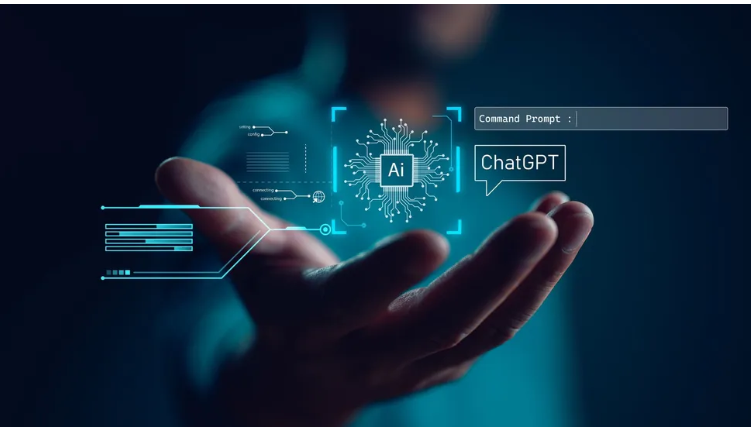
Artificial Intelligence (AI) is a modern technology that allows computers and machines to think, learn, and perform tasks like humans. AI systems can understand information, solve problems, make decisions, recognize voices and images, and even learn from experience. The main goal of AI is to make machines smart and capable of doing work automatically and efficiently.
Today, AI is used in many areas of daily life such as smartphones, voice assistants, online shopping apps, healthcare, education, banking, and transportation. Technologies like chatbots, self-driving cars, facial recognition, and smart recommendations on social media are all examples of Artificial Intelligence.
AI helps people save time, reduce human errors, and improve productivity. It is becoming one of the most important technologies in the world and is changing the future of science, business, and everyday life.

[2] Where Is AI Used?
Artificial Intelligence (AI) is used in many areas of daily life and different industries. Some important uses of AI are:
- Healthcare – AI helps doctors detect diseases and improve treatments.
- Education – It is used in online learning and smart teaching systems.
- Banking – AI helps detect online fraud and provides secure transactions.
- Transportation – It is used in self-driving cars and smart traffic systems.
- Mobile Phones – AI is used in voice assistants, face unlock, and camera features.
- Social Media – It helps suggest videos, posts, and advertisements.
- Online Shopping – AI recommends products based on customer interests.
- Agriculture – It helps farmers improve crop production and farming methods.
- Business – AI is used for data analysis and customer support services.
- Entertainment – It is used in movie, music, and gaming recommendations.
[3] How Will AI Be in the Future?
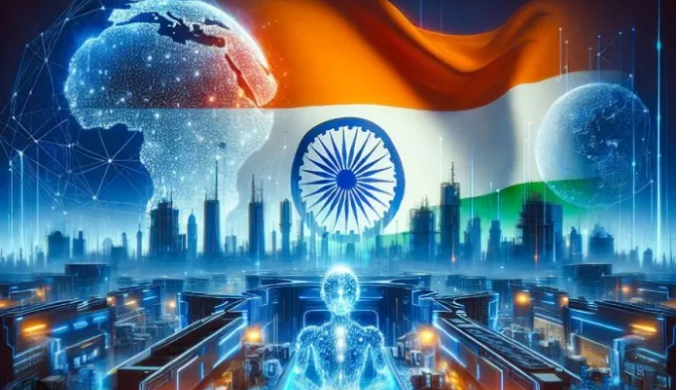
In the future, Artificial Intelligence (AI) will become more advanced, powerful, and useful in everyday life. AI will help people work faster, solve problems easily, and improve many industries such as healthcare, education, transportation, and business. Smart robots, self-driving cars, and intelligent machines may become common in homes and workplaces.
AI will also improve communication, online learning, security, and medical treatments. Many tasks will become automatic, saving time and increasing efficiency. Future AI systems may understand human emotions, languages, and behavior more accurately.
However, people will need to use AI responsibly and carefully to avoid problems such as job loss, privacy issues, and misuse of technology. Overall, AI is expected to create a smarter, more connected, and technologically advanced world in the future.
conclusion
Although AI has some challenges, its benefits are very large and useful for society. In the future, AI will continue to grow and become an important part of everyday life. By using AI wisely and responsibly, people can create a smarter, safer, and better future for everyone.